A finished building presents a serene face of plaster and paint, and it is precisely this serenity that conceals its greatest risks. The details that determine a structure’s longevity are almost always the ones nobody will ever see again.
The Tyranny of the Cover
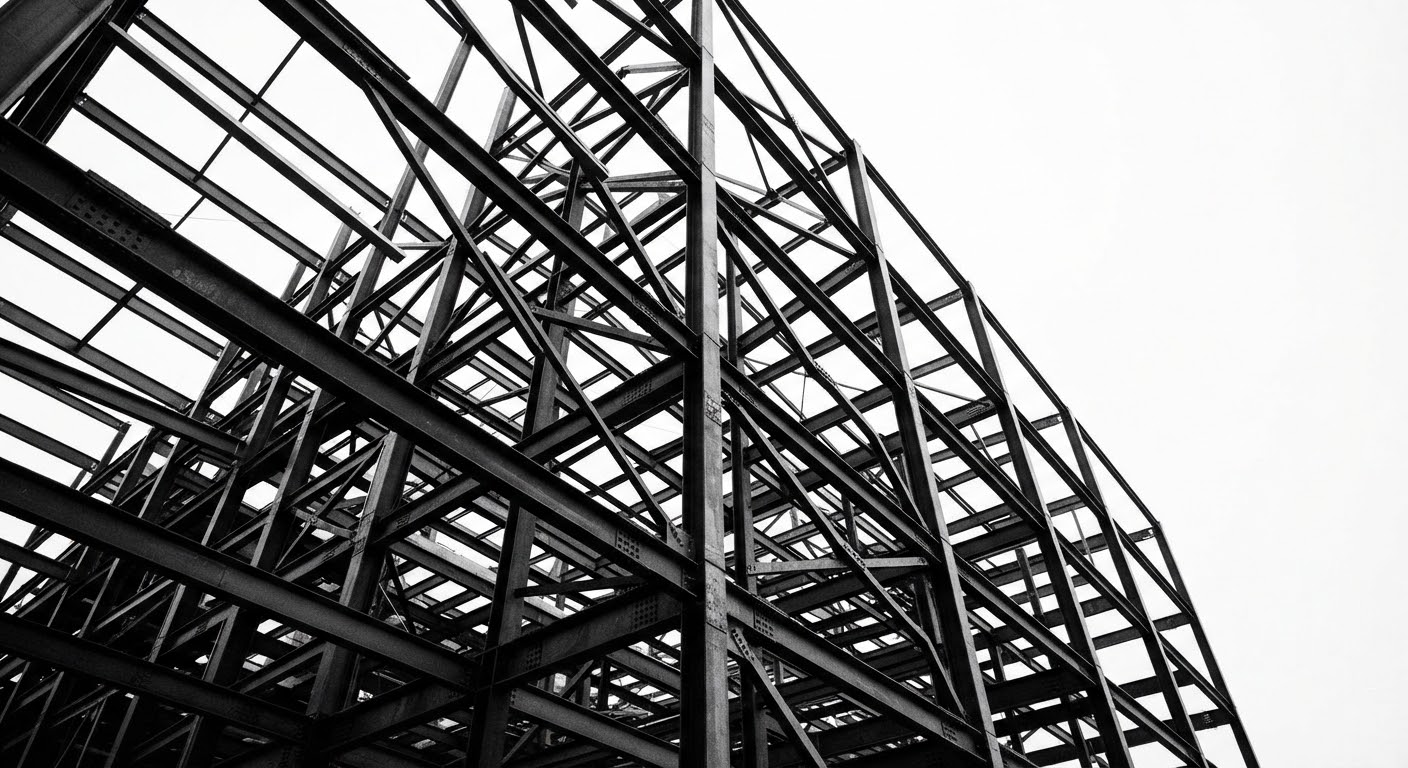
Construction proceeds by burial. Reinforcement disappears beneath concrete, membranes vanish behind screed, insulation is sealed inside a cavity, and services are threaded into voids that will be closed within the week. Each of these moments is a point of no return: once covered, a defect can only be corrected by destroying the finished work above it, at a cost measured in weeks and often in relationships.
Quality control, properly understood, is therefore a discipline of timing as much as of standards. The most exacting inspection carried out after the plasterboard is fixed is worth almost nothing; the same inspection an hour before is worth the entire life of the building. The rationalist instinct — that every element must be verifiable — demands that inspection be scheduled around these vanishing points, not around the manager’s convenience.
Where the Silent Failures Hide
Certain elements repay disproportionate scrutiny because their failure is both invisible and catastrophic. Waterproofing and damp-proofing head the list, for water finds every unsealed lap and every pierced membrane with patient certainty. Structural connections follow, where a missing fixing carries no immediate consequence and every eventual one. Thermal insulation, poorly fitted, leaves cold bridges that will condense and rot in silence for a decade before announcing themselves.
None of these advertise their condition through the finished surface. A wall that is beautifully skimmed tells you nothing of the membrane behind it. The only honest knowledge is that gathered while the element is open, recorded, and — where it matters most — photographed against the drawing that specified it.
What you fail to inspect before the cover closes, you agree to trust for the life of the building.
Études Studio
Building the Discipline into the Programme
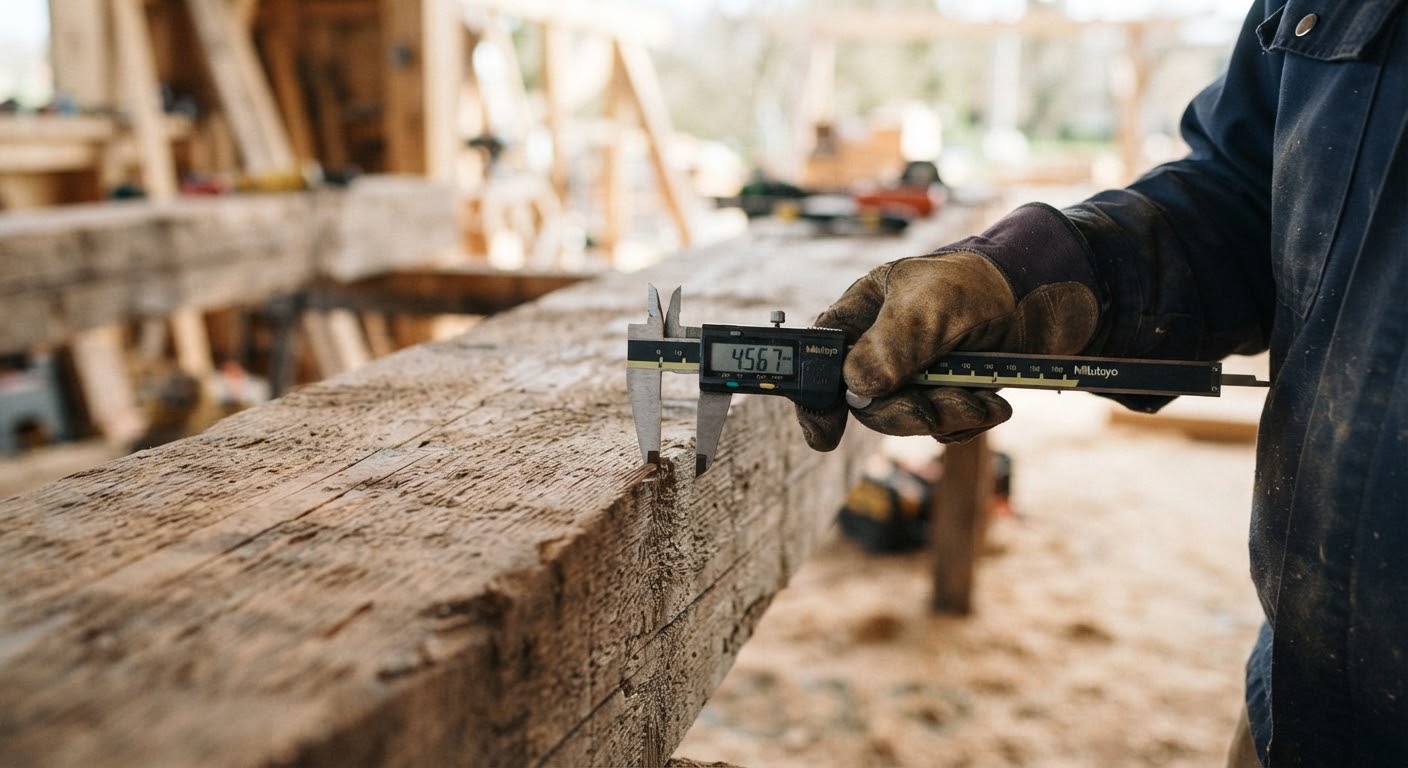
Inspection cannot be an afterthought squeezed between other duties; it must occupy the programme as a named, sequenced activity with the authority to halt the works. A hold point — a formal instruction that a particular element may not be covered until it has been signed off — converts good intentions into an enforceable rhythm.
This requires the contractor’s collaboration rather than surprise. Hold points agreed at the outset are logistics; hold points sprung on a busy site are conflict. Named in the programme, they let the trades plan around a brief pause for verification instead of resenting an interruption to their flow.
The choice of hold points is itself a design decision. Too few and the concealed work slips past unwitnessed; too many and inspection becomes a bottleneck that the site learns to circumvent. Reserve the formal stops for the elements whose failure is genuinely irreversible, and let a lighter, sampling regime cover the rest. Discrimination of this kind is what distinguishes a quality system that is respected from one that is quietly evaded the moment the inspector’s back is turned.
The Record That Outlives the Site
Every concealed element ought to leave behind a photographic and written record, indexed to its location, before it disappears. Such a dossier is not defensive paperwork; it is the building’s medical history. When a leak emerges in year seven, the difference between a targeted repair and a speculative demolition is whether anyone thought to photograph the membrane in year one.
This is the quiet heart of quality control: a conviction that the invisible deserves the same rigour as the visible, precisely because it cannot answer for itself later. A practice that inspects only what the client will see is decorating a structure it has declined to understand. To inspect the invisible detail is to accept that the integrity of a building lives, almost entirely, in the parts of it we have chosen to trust.