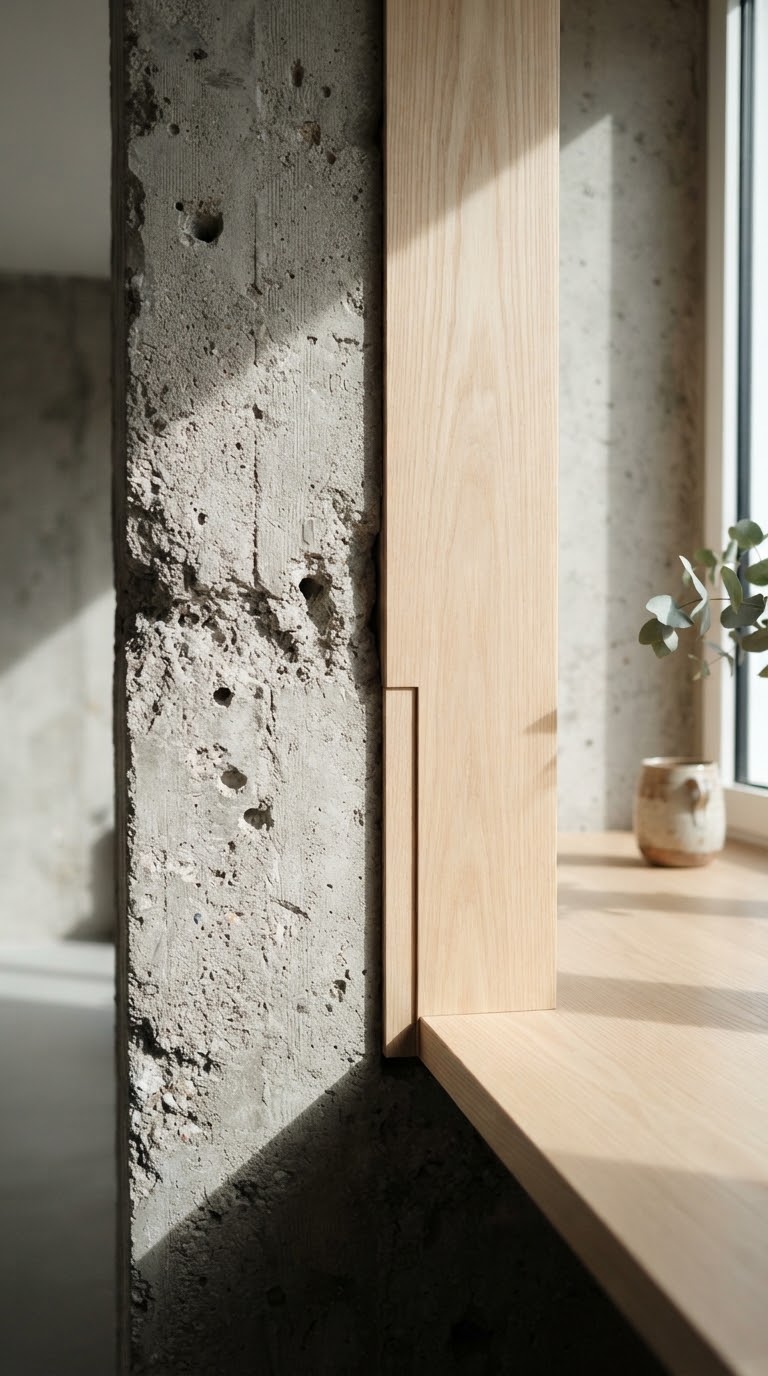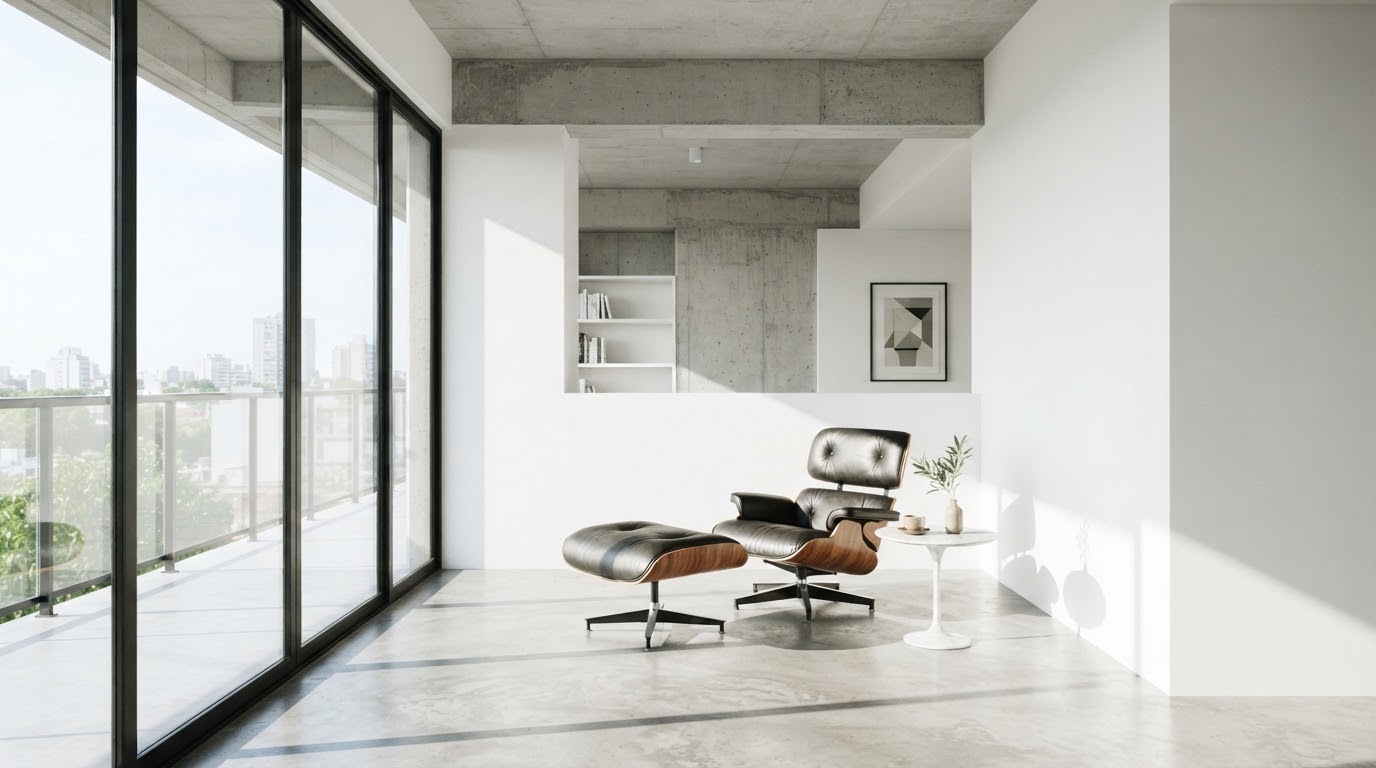
Every building is a conversation with the ground it stands on, and the foundation is the first sentence spoken. Before a single line is drawn above grade, the site has already set its terms, and rational design begins by learning to read them rather than override them.
The Ground as the First Client
Architects speak readily of light and programme and rarely of soil, yet the soil is the most demanding client any project has. It is the soil that decides how much a building may weigh, how it must be tied down, and where it may safely open to the sky. A clay that swells with water, a sand that liquefies under load, a rock ledge running diagonally beneath the plot: these are not obstacles to the design but its earliest and most binding brief.
The rationalist attitude is to treat this brief with respect rather than resentment. The site investigation, the borehole log and the geotechnical report are read not as bureaucratic hurdles but as the ground offering testimony about itself. To design in ignorance of them is to write a sentence whose grammar the earth will silently refuse.
Matching Structure to Substrate
There is no universal foundation, only the right foundation for a particular ground. Where firm bearing lies close to the surface, a simple pad or strip may carry the loads directly. Where competent soil lies deep beneath soft overburden, piles reach down to find it, transferring the building’s weight past the treacherous upper layers. Where the ground is uniformly weak, a raft spreads the load across the whole footprint so that the building floats, in effect, upon its own broad base.
Choosing between these is an act of reading. The engineer weighs the loads coming down from above against the capacity of the ground to receive them, and the honest answer is dictated by the site, not by preference. A rational foundation is the one the ground itself would have chosen, had it been asked.
The building above ground is only ever as intelligent as the reading of the ground below it.
Études Studio
Water, the Patient Adversary
No force tests a foundation more persistently than water. It raises the water table and floats structures that were meant to sit still; it swells clays and shrinks them again with the seasons; it seeps through joints and, given years, corrodes what it touches. The rational designer treats water not as an occasional emergency but as a permanent condition to be planned for from the outset.
This means drainage designed before the building rather than added after its first flood. It means damp-proof membranes, land drains and falls that carry water away by gravity rather than trusting to pumps that will one day fail. Working with water rather than against it is among the surest marks of a foundation conceived rationally.
- Investigate: Boreholes and soil tests are read as testimony before any structural decision is made.
- Match: Pad, raft or pile is chosen by the substrate, not by habit or preference.
- Drain: Water is directed away by gravity from the outset rather than resisted after failure.
- Anticipate: Seasonal movement and settlement are designed for, not discovered in service.
Building Downward to Rise Well
The foundation is the one part of a building almost never seen once the work is done, and it is precisely this invisibility that makes it a test of integrity. There is no aesthetic reward for a footing detailed with care, only the negative reward of a building that does not crack, tilt or settle unevenly over the decades of its life. The discipline is entirely for the sake of what stands above.
To read a site well is therefore to accept that the most important design decisions are taken where no one will ever admire them. The rationalist designer finds a quiet satisfaction in this. A building that rises cleanly, that holds its lines true through years of season and settlement, is the visible proof of an invisible conversation conducted honestly with the ground, and that conversation, more than any facade, is where rational architecture truly begins.