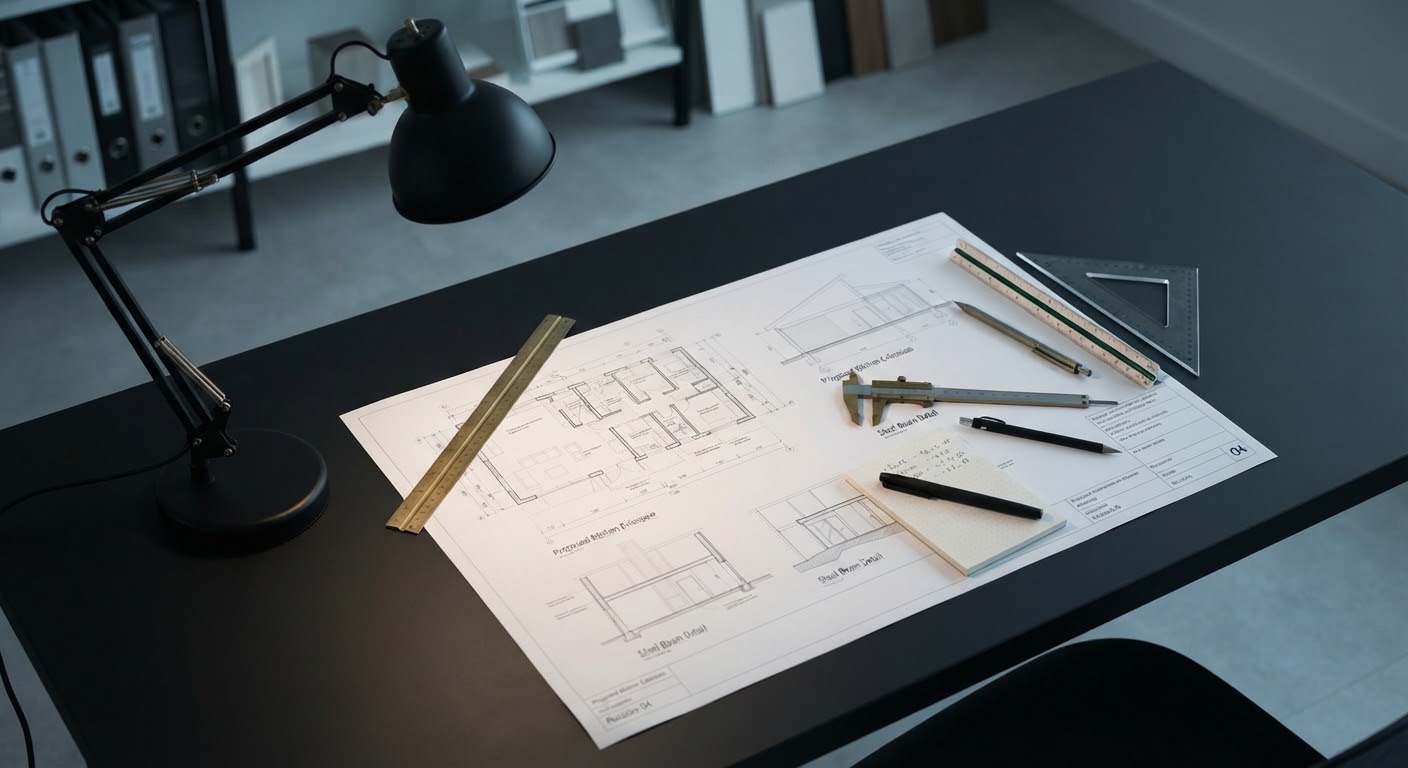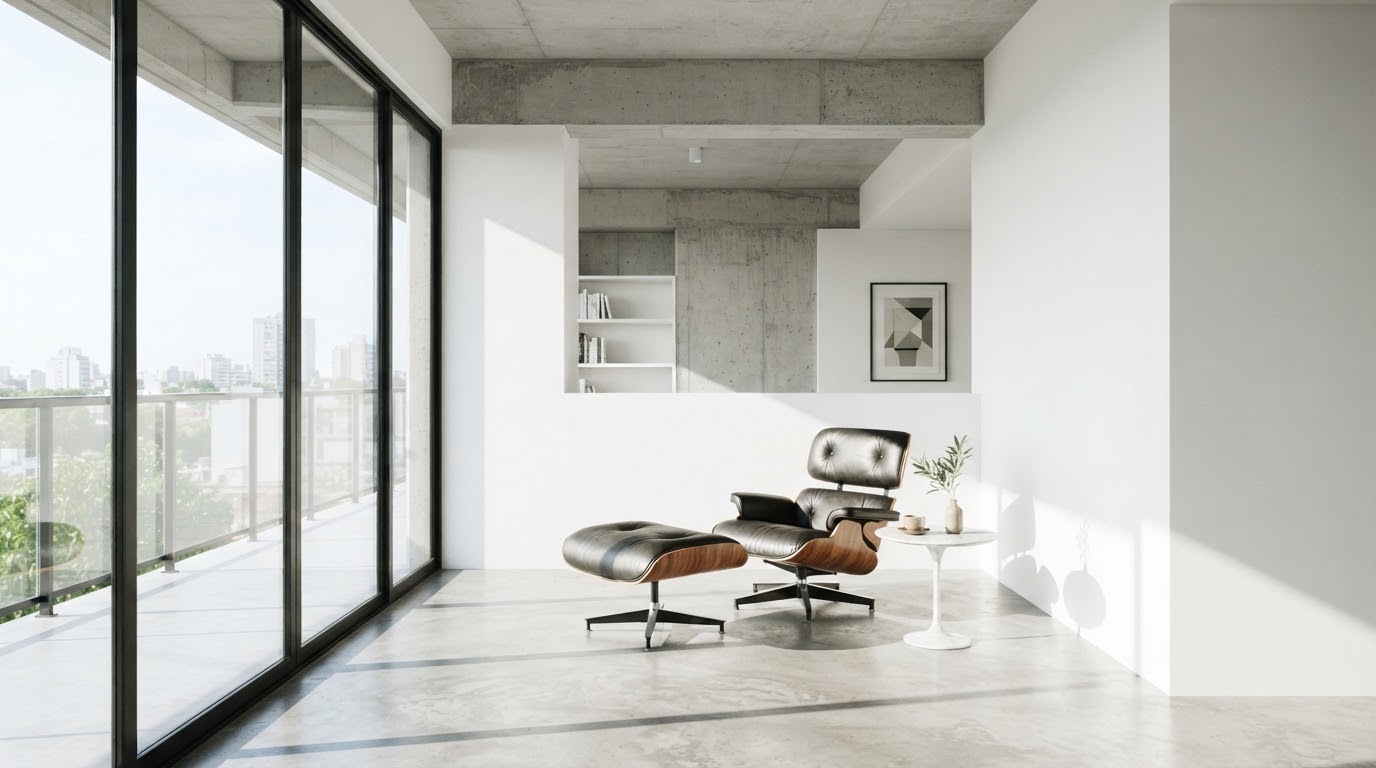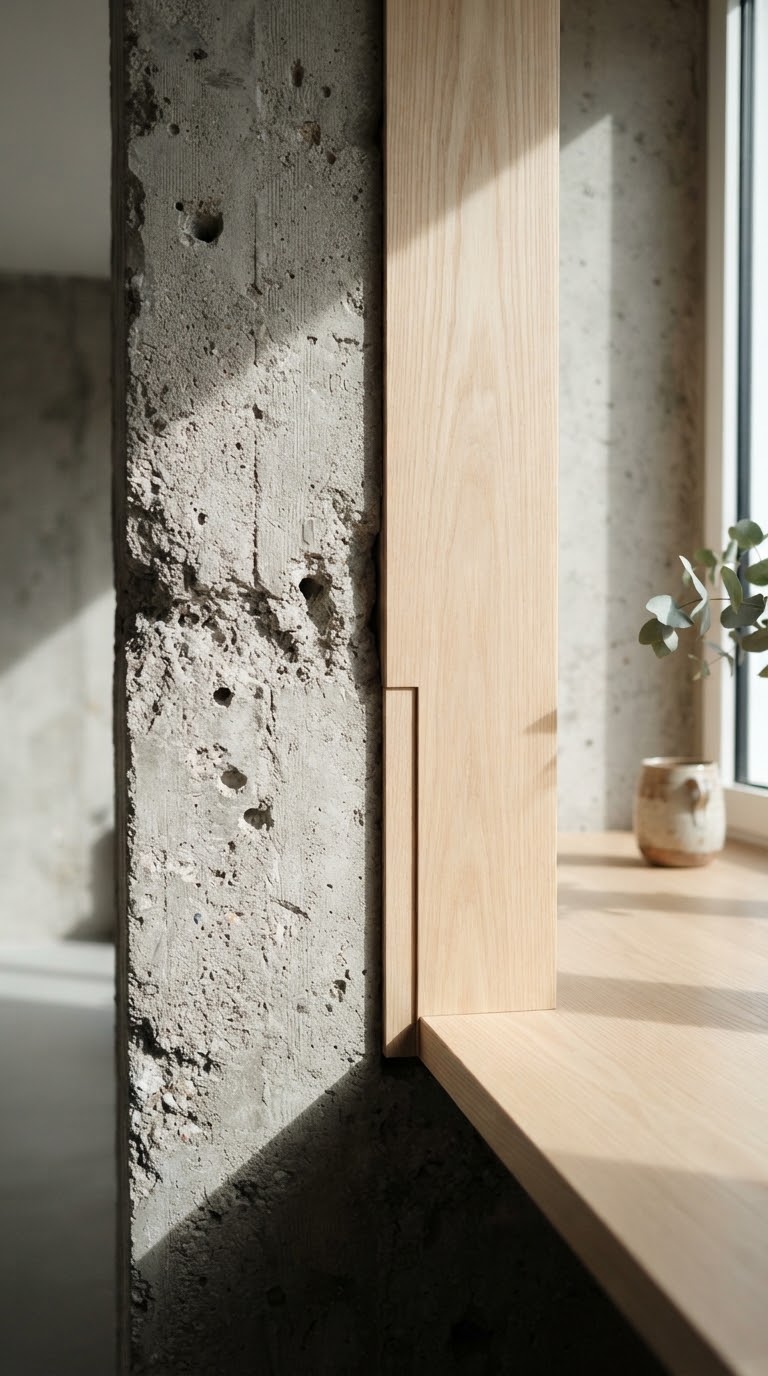
Steel does not merely hold a building up; it speaks. In the vocabulary of Architectural Rationalism, the exposed frame is a sentence composed of forces, and its eloquence lies in the honesty with which it is uttered. To read a steel structure is to read a building thinking.
The Confession of the Frame
When we leave a column visible, we make a confession. The building admits how it stands, refusing the cosmetic dishonesty of cladding that conceals the very element doing the work. This is the ethical core of the rationalist position: that appearance and structure should not diverge, and that ornament, if it exists at all, must be the by-product of construction rather than an appliqué laid over it.
A rolled I-section is already a designed object before it reaches the site. Its flanges gather material where bending demands it and starve the web where the forces relent. The profile is an argument about efficiency made in the language of geometry, and to expose it is simply to let that argument be overheard rather than muffled behind plasterboard.
Precision as Ornament
Steel rewards precision because it is fabricated, not cast in place. Every connection is a decision rendered visible: the bolt, the gusset plate, the welded fillet that pools at a junction like a signature. Where masonry forgives approximation, steel insists on tolerance, and that insistence produces a particular kind of beauty, one that belongs to the machine shop as much as the studio.
The rhythm of a bolted connection is not incidental. A row of high-strength bolts marching along a flange gives scale and cadence to a surface that would otherwise read as inert. The detail becomes the ornament, earned rather than applied, and the eye is invited to trace the path of load from beam to column to base plate without a single decorative interruption.
Steel asks only that we stop apologising for how a building actually stands.
Études Studio
The Discipline of the Grid
Because steel arrives in standard lengths and predictable sections, it encourages the grid, and the grid encourages a certain clarity of thought. The structural bay becomes a unit of design as much as construction, setting the module for glazing, partitions and services alike. Discipline here is not constraint but liberation: once the frame is settled, the interior is free to change indefinitely, since almost nothing else is load-bearing.
This is why the steel frame ages so gracefully into new uses. A factory becomes a gallery, an office becomes housing, and the bones remain legible throughout. The frame’s indifference to programme is precisely what makes it humane over the long life of a building.
- Legibility: Exposed connections let the observer trace the flow of load without instruction or interpretation.
- Efficiency: The rolled profile places material only where bending and shear genuinely require it.
- Adaptability: A frame that carries the loads frees every partition and facade to change over time.
- Honesty: Structure and appearance coincide, so the building never lies about how it stands.
Weather, Colour and Time
Left to itself, steel corrodes, and the rationalist tradition has answered this not by disguise but by expression. Weathering steel forms a stable oxide skin that becomes the finish, its deep umber a record of the atmosphere acting upon the material. Elsewhere a single coat of intumescent paint or a frank industrial red admits the need for protection while making it part of the composition.
The point in each case is the same. The material is allowed to be what it is, subject to time and weather, rather than embalmed in a finish that pretends the building will never age. A steel structure that shows its patina is telling the truth about duration, and in that truth there is a quieter, more durable beauty than any veneer can offer. To design in steel, then, is to accept that the most persuasive aesthetic language a building can speak is the plain grammar of its own standing up.