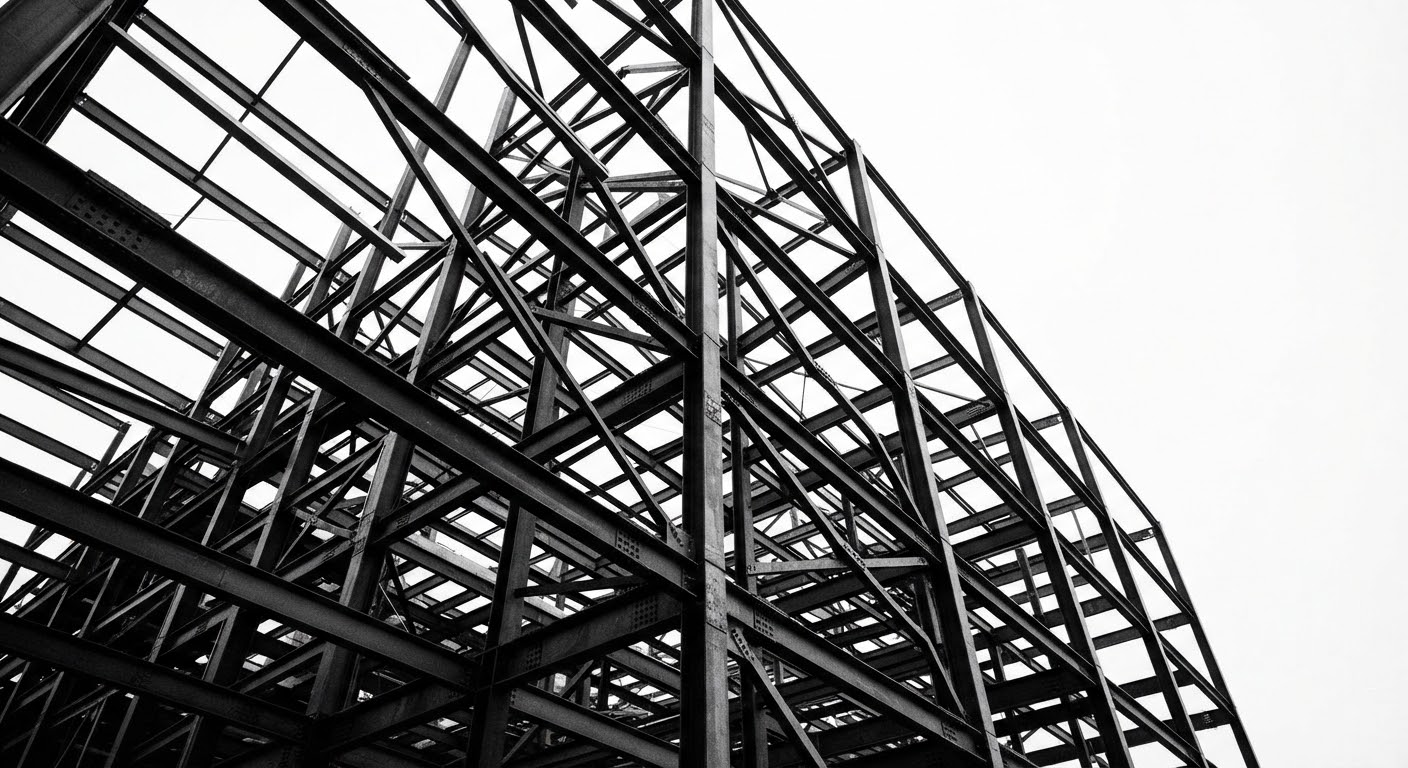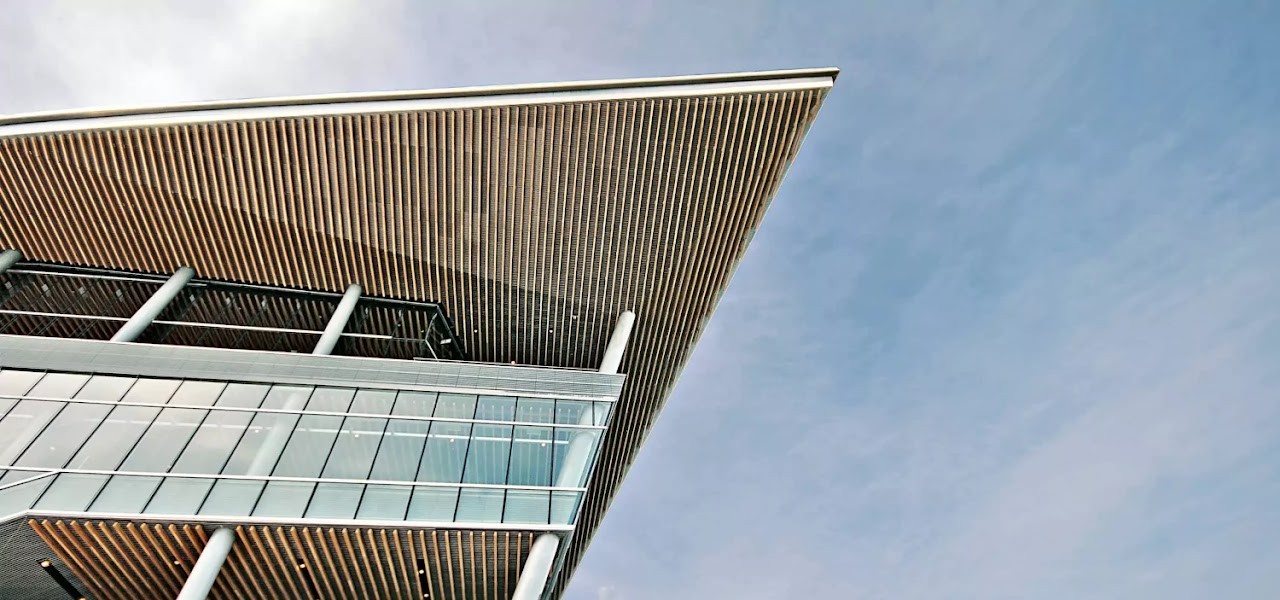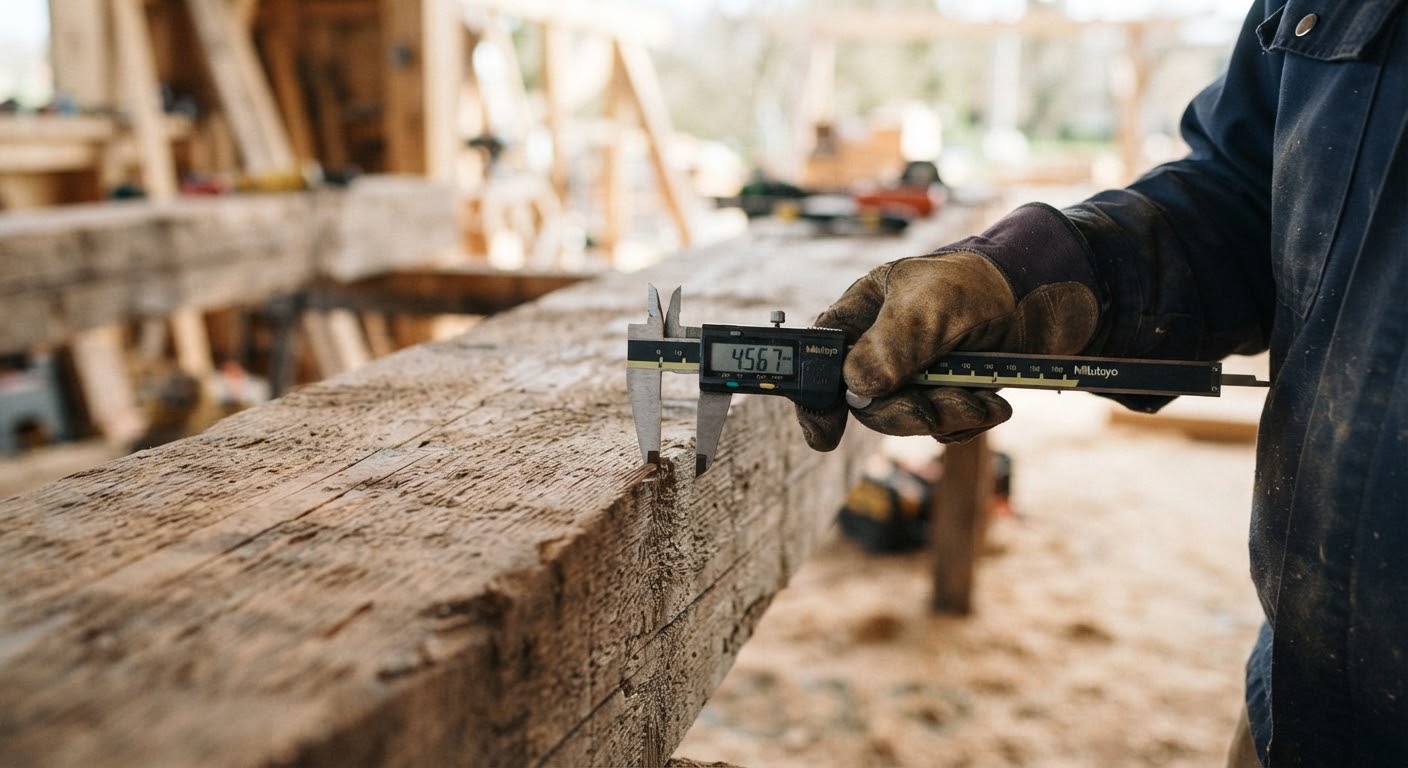
Between the architect’s line and the contractor’s wall lies a gap that no drawing, however precise, entirely closes. How a practice manages that gap decides whether a project is a collaboration or a slow negotiation conducted through grievances.
Two Languages, One Building
The architect thinks in intent — proportion, sequence, the way light will fall across a reveal in October. The contractor thinks in method — tolerances, sequencing, the reach of a crane and the cost of a return visit. Neither language is superior, and neither is complete without the other. Friction arises not from incompetence on either side but from the assumption that one’s own vocabulary is self-evidently the whole truth.
Bridging begins with translation. A detail that reads beautifully on paper may be unbuildable at a reasonable cost, and the contractor who says so early is offering a gift, not an obstruction. Equally, the architect who explains why a junction matters — structurally, spatially, or simply because the eye will rest there — recruits the contractor into the intent rather than merely issuing an instruction.
The Value of Early Involvement
The traditional sequence — design in full, then tender, then build — treats the contractor as a supplier summoned only once the thinking is done. Bringing construction knowledge into the room earlier, whether through an early appointment or a candid buildability review, converts a hundred latent conflicts into design decisions made calmly at a desk rather than expensively in a trench.
This is not a dilution of the architect’s authorship. It is the recognition that a building is authored jointly by those who imagine it and those who realise it, and that the most elegant detail is worthless if the site cannot execute it within the constraints that govern real construction.
The economics reinforce the argument. A conflict caught on the drawing board is resolved with an eraser; the same conflict caught on site is resolved with demolition, delay, and a claim. Early buildability review is not a favour the architect grants the contractor but an insurance the whole project buys cheaply, spending an hour of coordination now to avoid a week of remediation later. The practices that resist it are usually protecting a pride that the eventual variation order will puncture anyway.
The contractor is not the executor of a finished idea but a co-author of the finished thing.
Études Studio
Instruments of Clarity
Goodwill is necessary but insufficient; it must be carried by disciplined instruments. The request for information, the site instruction, the recorded meeting — these are not bureaucracy but the connective tissue that keeps intent and execution aligned as thousands of small decisions accumulate.
- Response time: Answer every request for information within an agreed window, because an unanswered query becomes an on-site assumption.
- Single source: Keep one authoritative set of drawings, so nobody builds from a superseded revision.
- Written record: Confirm verbal site decisions in writing the same day, before memory and interest diverge.
- Named authority: Establish who may vary the works, and route every change through that one person.
Respect as a Working Method
Beneath every protocol sits a disposition. The architect who visits the site and asks how a thing was achieved, rather than only whether it matches the drawing, learns faster and is trusted sooner. The contractor who flags a problem while it is still cheap to solve earns a hearing when the stakes rise later.
Rationalism prizes the honest expression of structure, and the structure of a project is ultimately human. A relationship built on mutual regard absorbs the inevitable shocks — the late variation, the discovered defect, the weather — that a transactional one would turn into disputes. The bridge, in the end, is not a document but a habit of treating the other party as an intelligence to be engaged rather than a risk to be managed.